Education in Ireland: Schools and Universities Explained
Ireland's education system comprises primary education (ages 4-12), post-primary education (ages 12-18), and third-level education (18+). Education is compulsory from age 6 to 16 or until completion of three years of post-primary education.
12/15/20251 min read
Primary Education
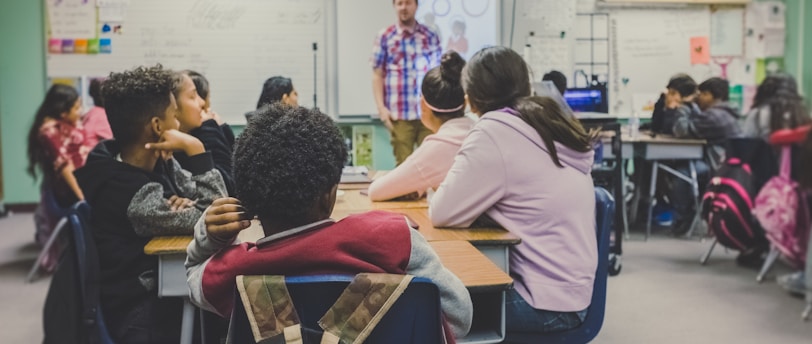
Primary education lasts eight years, typically beginning at age 4 or 5 with junior and senior infant classes. The curriculum covers 13 subjects including Irish, English, Mathematics, Science, History, Geography, Music, Art, Drama, Physical Education, and Personal Education. State-funded primary education is free, though private fee-paying schools are available. Schools must open for a minimum of 182 days per year.
Post-Primary Education
Junior Cycle (Ages 12-15)
Students complete a three-year program culminating in the Junior Certificate examination. This assessment has evolved into the Junior Cycle Profile of Achievement, providing a comprehensive view of student learning.
Transition Year (Optional)
An optional one-year program offering work experience and diverse educational opportunities without formal examinations. Approximately 70% of students take Transition Year.
Senior Cycle (Ages 15-18)
Students complete a two-year program choosing between three pathways:
Established Leaving Certificate: The main route to university, recognized for direct entry to higher education
Leaving Certificate Vocational Programme: Focuses on technical subjects with vocational modules
Leaving Certificate Applied: Emphasizes preparation for adult and working life
Third-Level Education
Ireland's higher education sector includes:
Seven Universities: Offering bachelor's, master's, and doctorate programs
Technological Universities and Institutes of Technology: Providing vocational and technical education
Colleges of Education: Specializing in teacher training
Specialized Colleges: Focused on specific fields like medicine, business, and arts
Tuition and Costs
Higher education in Ireland costs approximately €14,000 annually for international students. EU students benefit from the "Free Fees Initiative" introduced in 1996, though they must pay student service fees (up to €3,000 annually) covering examinations, insurance, and registration.
Academic Year
The school year runs from early September to late June for primary and secondary schools. Third-level institutions typically have a four-month summer break from May to September.
Performance
Ireland consistently excels in the Programme for International Student Assessment (PISA), with students performing above OECD averages in science, mathematics, and reading. Notably, immigrant students in Ireland outperform their counterparts in other countries. In the 2022/2023 academic year, 168,555 full-time students enrolled in undergraduate programs, with Ireland boasting one of the highest tertiary educational attainment rates among OECD countries (53.7%).